Showing posts sorted by date for query tag to. Sort by relevance Show all posts

Memories of One Last Dream — Sneak Peek of Continue Magazine Vol. 88

The cover of Vol. 88 of Continue Magazine featuring the design classic Dreamcast swirl.

Although the Junkyard is almost an entirely online operation, our editorial collective has always harboured a love for print media. Sure, broadcasting your ramblings to a global audience via the world wide web is neat, but there is also something undoubtedly special about holding a book or magazine in your hands - the texture of the paper, the smell of the ink, the coffee mug rings on the cover and all that jazz. As laid bare in my prior Junkyard posts, and our latest DreamPod episode, I too am afflicted by a borderline unhealthy obsession with Dreamcast magazines. Therefore, when I was trawling eBay looking for old issues to scan and happened to lay eyes on the latest issue of Continue magazine, with its tantalisingly minimalist cover advertising a Dreamcast special feature, I knew I had to get my grubby mitts on a copy.

Of course, as this is a contemporary magazine which is still very much alive and kicking, scanning the entire mag or even the special section is out of the question. However, following a long honoured Junkyard tradition (sometimes titled “Let’s take a look at”), I am able to share my humble thoughts on its contents, along with a few choice snapshots and info on where readers can purchase this product themselves. 

So, here we go. Let’s take a look at Continue Volume 88…

Continue: The Story so Far

Continue, or Continue Motion Graphic to use the full title, is a Japanese magazine that describes itself as “the world's greatest otaku, subculture, and entertainment magazine”. Its first issue was published in March 2001, arriving on newsstands at a time when the Dreamcast was in a peculiar state of limbo - officially discontinued, but with several more years of software releases ahead of it (in Japan, at least). Published by Ohta Publishing Company on a quarterly basis through until the end of 2002, it then picked up pace, publishing bimonthly through until February 2010 when what would appear to be its final issue appeared. 

Top: Three covers from the initial run of Continue (2001-2010).
Bottom: Three covers from the revived run of Continue (2018-Present).
Cover artwork © Continue Motion Graphic.

Fortunately that wasn’t the case. In 2018, Ohta decided to shake Continue out of its lengthy hibernation, spruce it up, and put the magazine back to work, with little change in terms of its scope. Since its revival, the magazine has been published continually on a bimonthly basis, with each issue containing coverage of contemporary and retro gaming (among other 'otaku' topics) over a span of 120 pages or so. 

As someone who has only just come across the mag, my understanding of it, beyond what I’ve been able to glean from internet sources, is admittedly shallow. According to the blurb on RetroMags, right from its early days Continue was characterised by an avoidance of “fluff” previews, in favour of more considered coverage of games and the gaming industry, along with in-depth interviews. And, flicking through Volume 88, that description seems to hold up…

Volume 88: Memories of One Last Dream

The first pages of the special feature with a snap of one fine looking Dreamcast. 
Magazine content © Continue Motion Graphic, 2026.

Front and centre in this issue (or should I say volume?!) is a special 48-page feature on Sega’s swansong console aptly titled “Memories of One Last Dream”. The remainder of the issue has a variety of other neat features too, including a 2025 Game of the Year section, but given our remit, I will exclusively focus on the former item. Broken down into its constituent parts, the Dreamcast feature encompasses:

  • Brief reviews of 24 games;
  • Two full page panel comic strips (including one where the Dreamcast meets the PS5);
  • An interview with Akira Nishino and Takaharu Terada (focused on Sakura Taisen, aka Sakura Wars);
  • An interview with Yosuke Okunari (Dreamcast and Sega-wide discussion);
  • An interview with Tadashi Takezaki ((Dreamcast and Sega-wide discussion); and
  • A reproduction of Sega of Japan's 31 Jan 2001 "To everyone who supports Sega" message addressing the end of the Dreamcast and the shift to third-party software development.
All of the above is laid out beautifully, with the text interspersed between some extremely clean shots of the console and its paraphernalia, some interesting photos of Sakura Wars sketches and concept artwork, and of course, some shots of the interviewees during their in-person interviews (photography by Kazuki Ohashi and Hiroyuki Matsuzaki).

Left: Examples of the brief game reviews. Right: Sketches and concept artwork for Sakura Taisen.
Magazine content © Continue Motion Graphic, 2026.

The 24 games that are selected to be reviewed/highlighted are invariably bangers and would make a decent menu for those new to the console. They include the iconic titles that were big hitters in western markets like Sonic Adventure, Crazy Taxi and Jet Set Radio, as well as a smattering of more understated delights like Death Crimson 2, Segagaga, and The Typing of the Dead. For incorrigible DC obsessives like us though, these reviews are unlikely to be of much interest. After all, we have probably played the featured titles many times over, and have little desire for our stubbornly held views on them to be challenged (ok, maybe that last part is just me). 

The mag's main hook then, beyond the admittedly gorgeous aesthetics, is its interviews with those who helped make Sega tick during the Dreamcast era. For those of us who don’t comprehend Japanese, an extremely rough inkling of what is said can be ascertained using a translation app of one sort or another. Of course, this method is replete with potential issues, and cannot match the touch of a skilled human translator. We're hopeful that Ohta may permit us to translate and publish one of the three interviews in English, but until then, here is a rough synopsis of each:

Akira Nishino and Takaharu Terada are interviewed about the Sakura Taisen series, whose multiple releases on the Dreamcast were central to the identity of the console in Japan. They have both been employed by Sega since the 90s and took up key roles in the creation of the Sakura Taisen game series. They speak about the creative process; the generosity of other Sega colleagues; brainstorming over late night beers; their desire to ensure Sakura Wars 3 utilised everything the Dreamcast hardware had to offer; and much much more. Perhaps the most poignant moment discussed is when the news arrived that Sakura Wars 4 would be developed as a proper-finale for the Dreamcast, despite the fact that Sega had already ceased production of the console.

Akira Nishino and Takaharu Terada proudly pose with an extensive range of Sakura Taisen/Sakura Wars games released for the Dreamcast, along with the special edition version of the console. 
Magazine content © Continue Motion Graphic, 2026. 

Yosuke Okunari, a Sega employee since 1994 who is renowned for his knowledge of the company, gives a wide ranging interview about the Dreamcast as "one last dream". He speaks about the period between the end of the Saturn and the start of the Dreamcast when hard decisions had to be made about whether games in development should shift to the new consoles; about Sega's self-reflective (self-deprecating?) advertising campaigns of the era; the split between Sega's different development arms (Overworks, Smilebit, Sonic Team); and Phantasy Star Online representing "the dream come true", among many other topics. 

Yosuke Okunari giving it the big 'un in a suave Sega jacket. 
Magazine content © Continue Motion Graphic, 2026.

Tadashi Takezaki, a marketer for Sega between 1993 and 2015, provides insights into a whole host of topics that are regularly mulled over by Sega enthusiasts including: the decision to cease the Saturn (despite it performing well within Japan) in a bid to return Sega to global success; the strategic choices made regarding the Dreamcast's hardware, aesthetics and its launch date; the lack of a "killer app" among Japan's four launch titles; and the prominence of innovative and cutting-edge games in the Dreamcast's library. Perhaps the key detail though, is where Takezaki explains how, once Sega had decided to discontinue the Dreamcast, he arranged for Sega to directly and warmly address its fans in what is referred to as the "To everyone who supports Sega" message, instead of only publishing a matter-of-fact press release.

Snaps of Tadashi Takezaki in mid-flow during his interview.
Magazine content © Continue Motion Graphic, 2026. 

Those seeking to get their hands on Continue Magazine Vol. 88 should visit its dedicated page on the publisher’s platform, which gives numerous options for it to be bought physically or digitally at a price of 1,980 yen (roughly a tenner). 

How to Enter Our Competition

This competition has now ended.

Of course, one lucky reader could also get their hands on a physical copy of the mag by winning our competition. Entrants simply need to email us and tell us which of the three interviews featured in Continue Vol. 88 they would most like to see published in English and why (in less than 50 words). They must do so by no later than Sat 28 March, and be located in the UK or Europe only (apologies, delivery costs elsewhere are too high for this rag-tag non-profit outfit). 

Our hope is that Ohta Publishing will give us permission to translate and publish one of the interviews featured in Continue Vol. 88 here on the Junkyard blog. Once we know what readers preferences are we will crack on with pleading for permission.

The Final Days of Official Dreamcast Magazine (UK) and What Happened to Issue 22

As I bid 2025 farewell to the tune of the traditional New Year's Eve song Auld Lang Syne, I contemplated the lyrics and their theme about leaving things in the past. I promptly disregarded that message and continued to write for a blog about a console that was discontinued 24 years ago. 

But that idea of "farewells" sparked an idea — one that taps into a new collecting obsession I fell into in 2025. You see, I developed a bit of a bug for tracking down old Dreamcast magazines, specifically ones that were published in the UK. Although I was able to frequently play the Sega Dreamcast during its commercial heyday round a friend's house, I was probably too young for the magazines of the time to cross my radar, and even if they had, I probably would've been too busy reading the Beano and Dandy to care.

Anyhow, last year I managed to pick up several bundles of assorted issues of Official Dreamcast Magazine, Dreamcast Magazine (the unofficial one), and DC-UK. I quickly noticed a common thread with these lots, however. While I did manage to acquire some earlier issues in them, the majority consisted of each magazine's final entries. It seemed that the sellers were particularly keen to offload these last issues — and upon reading them, it was easy to see why.

As the death knell rang for the Dreamcast with Sega’s announcement of its discontinuation and their intentions to develop games for rival systems, there was a clear scramble from these magazines to reassure their readers that the console still had plenty of epic games on the horizon. As the issues wore on, however, the cracks began to show. The number of games reviewed in each issue dwindled, features became steadily less inspired, and page counts shrank. In the most egregious cases, past reviews were simply reprinted in a desperate attempt to pad out pages.

Of course, this strange editorial limbo couldn't last forever, and eventually each of these magazines would come to accept that the Dreamcast’s fate was a doomed one, and sail off into the sunset — most of them rather unceremoniously. Next issues were promised, but never came. Only one publication, Paragon Publishing's unofficial Dreamcast Magazine, managed to last long enough to earn itself the privilege of a proper send-off.

In what I hope to be an ongoing series, I will be taking a look at how each of the UK's Dreamcast magazines said their farewells —or didn’t— with an additional goal of uncovering what went wrong behind the scenes for those that ended prematurely. You know we love solving a mystery here at the Junkyard.

To start off, I'll be taking a look at Dennis Publishing's officially licensed offering, Official Dreamcast Magazine. Its final issue, issue 21, was released in June 2001.

My scan!

The issue hit newsstands sporting a rather fitting PAL-blue cover featuring Sega’s iconic spiky mascot. Like the rest of the magazine, the cover is clean as hell — and perfectly timed to coincide with the mag’s review of Sonic Adventure 2. Readers would have also found Volume 22 of the Dream On demo disc adorning this issue's cover, which was responsible for its premium £4.99 price tag.

Depending on where you were in your Dreamcast journey, this demo disc may have proved to be either a blessing, or slightly disappointing. Rather than including playable previews of the latest upcoming titles, the 22nd instalment of Dream On served as a "best-of" compilation, packing in demos for nine Dreamcast bangers. These included Jet Set Radio, Metropolis Street Racer, Sonic Adventure, Virtua Tennis, Space Channel 5, Toy Commander, Tony Hawk’s Pro Skater 2, Ready 2 Rumble, and Ultimate Fighting Championship. Seeing as all nine of these games were voted into our Top 200 Dreamcast games list, with the majority of them ranking inside the top 30, it was a well-curated selection, and maybe even well timed for any new Dreamcast adopters who had picked up the console following its price drop to £99.99 earlier that year. If you were a long-time ODM reader, though, you may well have played a fair few of these titles already thanks to the magazine’s high review scores, and were perhaps instead expecting demos for the brand-new Sonic Adventure 2 or Crazy Taxi 2. If that were the case, you might have been left feeling a bit miffed.

Credit: Chromagi

The magazine's editor, Warren Chrismas, made the reasoning for this demo selection clear in his note at the front of the issue. While he began by calling out the "gloom merchants" for insisting the Dreamcast was dead and buried months before —citing the high quality of both Sonic Adventure 2 and Crazy Taxi 2 as a reason for fans of the console to remain excited— this positive tone was soon contradicted by the sobering reality of Sega's situation.

Top 12 Disney Games on the Sega Dreamcast

The Sega Dreamcast's short lifespan (relatively speaking) didn't lend itself to a large number of "big" licenses coming to the console. Alongside Sega's own franchises, we received a third-party lineup that was - again, relative to other consoles - not huge, with a couple of noticeable exceptions (think Capcom). This proved to be both a blessing and a curse for the Dreamcast. It allowed the console to hold a rather unique place amongst its peers: it wasn't plagued by sub-standard licensed games, but was also missing some rather popular titles, which led to the console being considered a little more "niche". Of course we did receive our share of big name releases, and alongside the sports leagues, professional skateboarder and vehicle licenses, we did see a small but not inconsequential number of games that fell under the umbrella of the worldwide media behemoth Disney.

Many of Disney's licenses, above and beyond their big-eared animated rodent, are popular the world over. And, as long as there have been licensed video games, Disney have been publishing tie-in games in order to ring as much money out of their animated movie releases as possible. Unlike some of their competitors though, Disney has a rather unique place in gaming with a series of titles released, especially in the early '90s, that were really rather good. Far from being quick movie adaptations, the likes of Castle of Illusion, Aladdin and The Jungle Book helped define the 2D platformer age and have aged particularly well both technically and in the nostalgic memory of players. 

Disney's legacy on the Dreamcast is perhaps not quite so fondly remembered, but there were still some decent animated adventures. Plus, thanks to the company's subsequent attempts at monopolising the entertainment industry, these days the Dreamcast now finds itself the home to several Disney-owned licenses that are worthy of at least a look. Some of the games on this list are probably not what you were expecting to see when you clicked onto this article (sorry!), but thanks to Disney's rather aggressive business pursuits, all of the games on this list technically now fall under the umbrella of The Mouse, even if they didn't originally on release...

(All pictures in this article were either taken by myself using my rather mediocre screen capturing setup, or from the fine folks over at MobyGames.)


12. Disney's Dinosaur

Just breaking into the top dozen of Disney titles on the Dreamcast is this tie-in with the somewhat forgotten 2000s movie "Dinosaur" - which always seems to be referred to as "Disney's Dinosaur" for some reason. Whilst it isn't one of the company's biggest or most fondly remembered films, it was still a decent family-friendly romp, and anything with dinosaurs in is always going to have a ready-made fanbase of kids who can't get enough of the prehistoric reptiles. 

As a game it has some interesting points – it's a puzzle adventure title aimed at the kid's market where you switch between a trio of characters, each of whom have different abilities and skills, and make progress by utilising the right character for the right task. The isometric/top-down graphics are nice and there are loads of snippets from the film included, but the game suffers from being just a bit average – which is a criticism that can be levelled against the movie as well. The puzzles aren't all that interesting, relying on the sort of generic setup that the all-encompassing "action-adventure" genre revels in. The combat is disappointing and the controls leave something to be desired. It's not a terrible game, especially if you're part of the target market or a fan of the film, but it's all a bit too generic and unremarkable to make it any higher on this list.


11. Buzz Lightyear of Star Command

Next up and just missing out on a spot in the top ten is an adaption of an animated TV series which itself is a spin-off from Disney Pixar's ever-popular Toy Story franchise. Centred around the exploits of the Buzz Lightyear character (although not the toy version we've come to love, but rather the character which the toy is based on in the film's own lore) this is a fun if sometimes generic action-adventure title, developed by Traveller's Tales (who are more well known today for developing the incredibly popular and multi-license spanning Lego games).

The action involves platforming, running, shooting and beating similar looking baddies, quite typical for a licensed game of this type. Whilst it is never particularly innovative, it does at least deliver an approachable and enjoyable gameplay experience. Graphically, the PlayStation roots of the game are rather glaring with blocky characters and a lack of texture that stands in stark contract to the best the Dreamcast has to offer, although they are still bright and colourful (it's worth noting the Dreamcast version was the first to release, although it's glaringly obvious that it was developed in tandem with the inferior hardware of Sony's machine). The links to the Sony release are also evident in the game's general performance, which holds up for the most part, although sometimes descends into bouts of slowdown. The game does deliver in other areas though, with a decent soundtrack and plenty of snippets of dialogue taken from the show, as well as some sort video clips. The issue throughout the game is that there isn't anything to really criticise - it does a good job at bringing the TV series to life for its young audience, but can never escape being a quite average, middle-of-the-road licensed title that feels very similar to a bunch of other similar games in the early 3D age. For those who love the character and have nostalgia for the series, it's worth a look today and it's far from being a bad game - but don't expect a poll-topping title here. 


Bomb Rush Cyberfunk Review or: How I Learned to Stop Worrying and Love the Funk

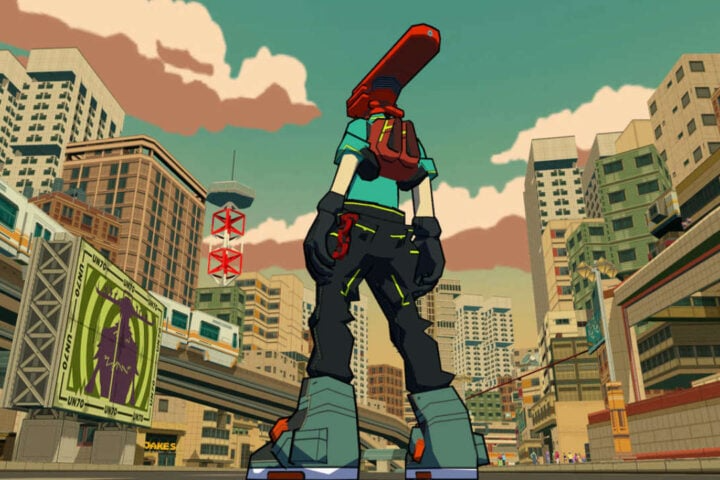
Jet Set Radio (or as it was known in North America, Jet Grind Radio) came skating onto the scene in the year 2000. Developed by Sega's in-house studio Smilebit, the flagship Dreamcast release saw players enrol in the rollerblading GGs gang to claim their turf back from their rivals, one graffiti tag at a time, all whilst evading the clutches of the law. A platformer at heart, JSR was fun gameplay-wise, but what kept me and many others coming back for more was undoubtedly its revolutionary cel-shaded graphics, along with its premise, style and music - all a loving tribute to hip-hop and street culture. The exceptional soundtrack, the majority of which was composed by Hideki Naganuma, combined elements of hip-hop, J-pop, funk, electronic dance, rock, acid jazz, and trip-hop, and has been lauded by fans the world over to the point where it's almost taken on a life of its own outside of the game.

North American magazine ad for Jet Grind Radio

In the years following Jet Set Radio's release, Sega stopped making consoles and moved to being a third-party developer. Initially things were pretty good, with a wide range of their IPs receiving new titles or reboots, including Jet Set Radio, which received a beloved sequel/re-imagining on the original Xbox in the form of 2002's Jet Set Radio Future.

But, with series developers Smilebit closing their doors in 2004, and Sega's attention to any IP that wasn’t Sonic slowing to a drip feed over the following decade, the possibility of a new entry into the JSR series became less likely with each passing year. We did see a HD remaster during the seventh generation, which was cool, but the fully fledged third instalment many players have been waiting for just never happened.

The album cover for 2 Mello's "Memories of Tokyo-To"

During the series' absence, a cult community of fans slowly began to form around Jet Set Radio, with its art style and music finally being appreciated for how excellent it really is. A fan developed a whole website to stream JSR tunes 24/7, while artists like 2 Mello made entire albums in the style of the JSR sound. Many new indie titles like Umarangi Generation and Hover aimed to emulate that funky cel-shaded feeling we were sorely missing. Seeing this community of fans and creators blossoming around JSR really got me thinking... with the series' strongest suit undoubtedly being its aesthetic style and music, and with aspects such as the story and character's personalities taking a backseat (with perhaps the exception of DJ Professor K), it made me wonder: could someone else make Jet Set Radio? We'd witnessed it in the indie space for years, with titles like Bloodstained: Ritual of the Night, Shovel Knight and Cities: Skylines filling the void left behind by the neglect of bigger developers. For me, Jet Set Radio’s best asset is not that it was made by Sega. Sure, the genius minds of Dreamcast-era Sega gave it its best assets, but the fact that Jet Set Radio's winning formula has been abandoned for so long, that it hasn't had the chance to be developed further, to become bigger and better with the power of modern systems, to be re-introduced to a new generation of gamers, is criminal, frankly. As long as the right people were involved, Jet Set Radio could come back in style, even if it meant sacrificing the name.

Lethal League Blaze

The answer to my prayers came in 2020, when Dutch indie developer Team Reptile teased Bomb Rush Cyberfunk. Having previously worked on Lethal League, an excellent series of fighting games that feature cel-shading and character designs reminiscent of Jet Set Radio, and with the second game, Lethal League Blaze, even featuring a song from Hideki Naganuma, it was no surprise that Team Reptile were going to attempt a spiritual successor to Jet Set Radio for their next release. From their short teaser alone, I immediately knew they were the right people for the job. Bomb Rush Cyberfunk looked so much like a new Jet Set Radio game that I would've forgiven you for thinking it was made by Sega themselves. The teaser even featured a Naganuma track. It was finally happening!

Despite this, I still saw a fair amount of scepticism online. Some loyalists said they'd just wait for Sega's Jet Set Radio. Some even went as far as to accuse Team Reptile of "plagiarism". C'mon guys, it has been more than 20 years since Sega released an original entry into the Jet Set Radio series. To bastardise that famous lyric from John Lennon:

"All we are saying is, give Bomb Rush Cyberfunk a chance"

On the day it released, I bought Bomb Rush Cyberfunk for the Nintendo Switch, as that was the only console it was available for initially, and I don’t have a gaming PC, so that option was out. From the outset, the game's cel-shaded look, music and sound effects all felt familiar to me. It was great to jump back into that grinding and tagging gameplay I loved so much, to be transported right back to those special moments of playing the original JSR and Future for the first time. But Bomb Rush Cyberfunk is quick to remind you that while it remains incredibly faithful to its source material, it isn't completely derivative of it. Instead, Team Reptile are here to build and improve, which is exactly what I wanted to see from a spiritual successor to Jet Set Radio. I've always sung the praises of the gameplay refinements that Jet Set Radio Future introduced to the series, and Bomb Rush Cyberfunk is no different, picking up where that game left off but now with the benefit of twenty years of hindsight in its arsenal. Throughout this review, I will be calling back to JSR and Future many times to explain how BRC successfully builds on - or even improves - the formula, but please don't understand this as me disparaging the JSR series at all. Both Jet Set Radio and Jet Set Radio Future will forever remain two of my most favourite games of all time.

Bomb Rush Cyberfunk's plot, while still containing the appropriate dose of hip-hop and street culture references you'd expect, is crazy, and immediately more involved than either of the JSR games. Rather than functioning as stylish avatars for your rollerblading escapades, the main set of characters of the Bomb Rush crew have unique personalities and converse with each other in cutscenes, much of which is humorous and often eccentric. The main character, Red, has a purpose - to get his head, which was chopped clean off his shoulders in the game's prologue, back, while also looking to investigate the past of his replacement head (I said the plot was crazy, didn't I?).

The rival crews, still serving as your opponents throughout the game, also have more purpose in the plot, as Red and his crew not only look to defeat them to become "All City" (to claim all turf in the city), but also to gain information to aid in their hunt for Red's origins. While I won't spoil the plot here, all I'll say is the whole idea of Red being a character patched together from the body and head of two different characters, and the duality that brings, is one of the more refreshing plot ideas I've had the pleasure of experiencing in a video game as of late. There are plenty of surprising twists and turns you may not have been expecting from a game that many will be turning to primarily for its aesthetic qualities, and it is certainly refreshing to see.

Bomb Rush Cyberfunk's cast of characters are all varied in design and dripping with style, with their clothing combining the aesthetics and fashion of not only hip-hop and its b-boy subculture, but also the skate culture of the early 2000s, with some sci-fi flair thrown in for good measure. Characters like Red, with his crimson "cyberhead", and the angel-winged crash dummy Solace stand out as the coolest of the bunch, while story characters like the "oldheads" are more amusing, looking like caricatures of golden age hip-hoppers with their maroon tracksuits and over-sized Kangol-esque hats. One of them even has a cyberhead that looks suspiciously like the mask of the late MF DOOM. DJ Cyber's cold cybernetic mask and long stylised lab coat really set him apart as the menacing antagonist he is and the Dot EXE crew just look fresh as hell with their pool ball cyberheads and two stripe tracksuits. Team Reptile really knocked it out of the park when it came to matching the imaginative character design seen in the games BRC takes influence from, so much so that you will undoubtedly be searching around the game's city to track down more peeps to add to your posse.

Depending on how you look at it, one potential flaw of BRC's playable characters could be that none of them have any stats, meaning that your decision on who to play as solely comes down to how cool you think they look. Jet Set Radio did assign stats to each character, which meant there was a bit of strategy involved when making your choice of whom to tackle a particular level with, but I suppose ultimately it's probably better to be able to play as your favourite character without their weaker stats holding back your enjoyment, and it does feel great to be able to constantly switch between BRC's aesthetically pleasing cast of characters just 'cause.

Credit: JREEL on YouTube

So we've got a great storyline and some cool characters, but how's the gameplay?

The Hunt for the PlayStation 2, GameCube and Xbox versions of the Sega Dreamcast

Over the years, fans of the Sega Dreamcast have had the opportunity to see many interesting and artistic case mods, but some of the oldest to make a splash in the Dreamcast scene were the ones you see below; case mods designed to look like the Dreamcast's sixth generation competitors: Microsoft's Xbox, Nintendo's GameCube and Sony's PlayStation 2.
Cool designs? Or heresy against the Dreamcast? These case mods have had many fans and detractors over the years.
Long-time fans may dimly recall seeing pictures of these customised Dreamcasts making the rounds on Dreamcast forums and fan websites as early as 2002. The pictures have continued to show up over the last 20 years on various forums, fan sites and social media pages across the internet (including a 2006 post on this very blog), although genuine information about their origin has tended to be scarce. Given their relatively polished-looking designs and their appearance around the time of the Dreamcast’s commercial death, theories and rumors have spread that a Japanese gaming magazine or even Sega themselves may have commissioned them to use in conjunction with a story or announcement about Sega’s decision to create games for third party systems. Some critics have even gone as far as to argue that the images were mere Photoshop creations and never even truly existed.

After being reminded of these designs through a chance encounter with a fan who had found the GameCube design for sale on an online marketplace, I set off on the complex mission of discovering the truth about these mysterious custom Dreamcasts. I searched my own memory, trawled through defunct websites of yesteryear on the Internet Archive, and even managed to track down and discuss the case mods with the original Japanese creator. After all of this, I can finally provide the authentic story of these early and unusual custom designs.

The Creator

Enter G-Cube – the name of a group of Japanese model kit builders. In the early 2000s, G-Cube was a group of three people who would get together and use their extensive modeling, graphic design and painting skills to cosmetically enhance existing model kits, toys and other items. 
One of many logos used by G-Cube
Their projects involved assembling things such as retail model kits with highly detailed custom paint jobs, some of which would also have significant modifications, including custom fabricated parts, to make finished products that were substantially different from their original design. The group’s work often included designs for mecha, figures, spaceships, and other vehicles from anime and video games. Over the years, G-Cube’s creations would be profiled in Japanese hobby magazines, and the group would even display their work at public exhibitions and festivals. The group would also take commissions from customers, and to this day, G-Cube puts recent creations up for sale on Yahoo! Auctions Japan from time to time.
Various older works by G-Cube
I was fortunate enough to find contact information for a Mr. Fuminori of G-Cube, who as luck would have it, was the designer behind all three of the Dreamcast case mods shown above. The following is a summary of information about each of the case mods...

Dreamcast: Year Two shipping, HarleQuest! funded, Phantasy Star Collection, Sapphire Hotel - Dreamcast News Round-Up May 2023

Title image featuring a pixel art image of Space Channel 5's Ulala with The Dreamcast junkyard logo and the text "Dreamcast News Round-Up May 2023
Pixel art credit: Xtreme Retro

Spring is now well and truly upon us here in the UK. My central heating has finally been switched off, the nights are drawing out, and the air is alive with the sounds of songbirds, neighbourhood kids, and the obnoxiously loud engines of boy racers. The departure of winter typically does wonders for my mood, but this year my nerves are uncharacteristically shot to pieces as my boyhood football club is flirting with the prospect of imminent relegation. Rather than spend another afternoon anxiously inspecting the league table and fixtures list once again though, I thought I’d try to distract myself by penning a DCJY news round-up. The Dreamcast scene continues to bloom, delivering a bountiful harvest all year round, and there are some vigorous green shoots sprouting up too which are likely to bear fruit later in the year. So, dear readers, settle down, get comfy, and feast your eyes upon all the latest from the world of the Dreamcast.

Homebrew Happenings


The Dreamcast has long been blessed with a dedicated cast of coders who love nothing more than cooking up homebrew offerings of all shapes and sizes. The degree to which homebrew efforts have extended the console’s software library and capabilities is truly remarkable and the selfless souls who deliver these goods deserve our thanks (thank you!).

Lately it seems that Ian Michael’s Teenage Mutant Ninja Turtles: The Cowabunga Collection has become a trend-setter, as several other ‘collection’ type projects are now in the works. First of all is Ian’s own follow-up, a Phantasy Star collection, which allows the classic Master System, Game Gear and Mega Drive titles to be played on the Dreamcast in seamless fashion, complete with a menu system that pulls everything together, and extras such as separately playable soundtracks and videos. Sega produced a package of this sort for the Saturn, but its release was limited to Japan. If Ian’s previous work is anything to go by, then we anticipate that this follow-up will be well worth your attention.

Cover image for the Phantasy Star Collection for Dreamcast.
Cover image for Ian Michael's Phantasy Star Collection created by 'caruse'.

Shindougo has joined Ian in flaunting their chops in the DC homebrew collection space too, releasing Castlevania and The Simpsons collections in December and April respectively. Neither of these franchises ever saw official representation on the Dreamcast - exclusive titles were in development, but never made it past their fledgling stages. Leaked builds of both are available but are pretty bare bones. Those who want to scratch that itch they’ve been having for a Castlevania or Simpsons experience on their little white box should check out Shindougo’s releases, both of which are available via the links posted above. Video demonstrations of these collections have also helpfully been produced by friend of the Yard, gamesreup.

Screenshot of Hydro Thunder working in VGA mode.
Hydro Thunder working in VGA mode, as shown by Derek Pascarella (ateam).

Another homebrew project of a different ilk has also surfaced in recent weeks. Dreamcasters who have (justifiably) clung to VGA as their preferred video output option will be pleased to hear that TapamN appears to have delivered a method for playing virtually any DC game via VGA. Until now there have been a few dozen games that have stubbornly resisted efforts to force them into outputting VGA, but thanks to the elbow grease of TapamN, a comprehensive solution seems to be at hand. TapamN first demonstrated the new patching method in action with Bangai-O. A frenzy of further contributions have quickly followed from others within the community demonstrating that the method works for games such as Airforce Delta, Deadly Skies, and Hydro Thunder. A full list of the VGA patches created by TapamN are available on the console mods wiki.

Online Optimisations

Putting your Dreamcast’s modem to work really should be mandatory. If you aren’t swimming in the warm crystal-clear waters of the console’s online capacities then you are missing out - especially so, given that the experiences available keep expanding.

Screenshot of the Crazy Taxi 2 website replay upload function.
Hey hey hey, it's time to upload some CRAZY replays. Crazy Taxi 2 website screenshot courtesy of Xiden.

In mid-April, Xiden announced that the replay upload function of the Crazy Taxi 2 website has been revived. Now, as if it were 2001, that means you can upload replays of your lucrative fare-maximising runs, and find out how paltry they are in comparison to those of your compatriot taxi drivers by downloading their replays. Baggy jeans are recommended for the fully immersive turn-of-the-millennium experience. All you need to know can be found in Xiden’s Dreamcast-Talk post.

In other online news, Johne, a stalwart of Brazil’s DC online community, has launched a Dreamcast Now Android phone app. Dreamcast Now, of course, being the website that provides a live summary of who is currently online on their Dreamcast and what game they are playing. With the app, users are able to set a variety of notifications for different events, including when designated friends have come online, and when favourite games have currently active players.

The Dreamcast Junkyard's choicest cuts and hottest takes of 2022

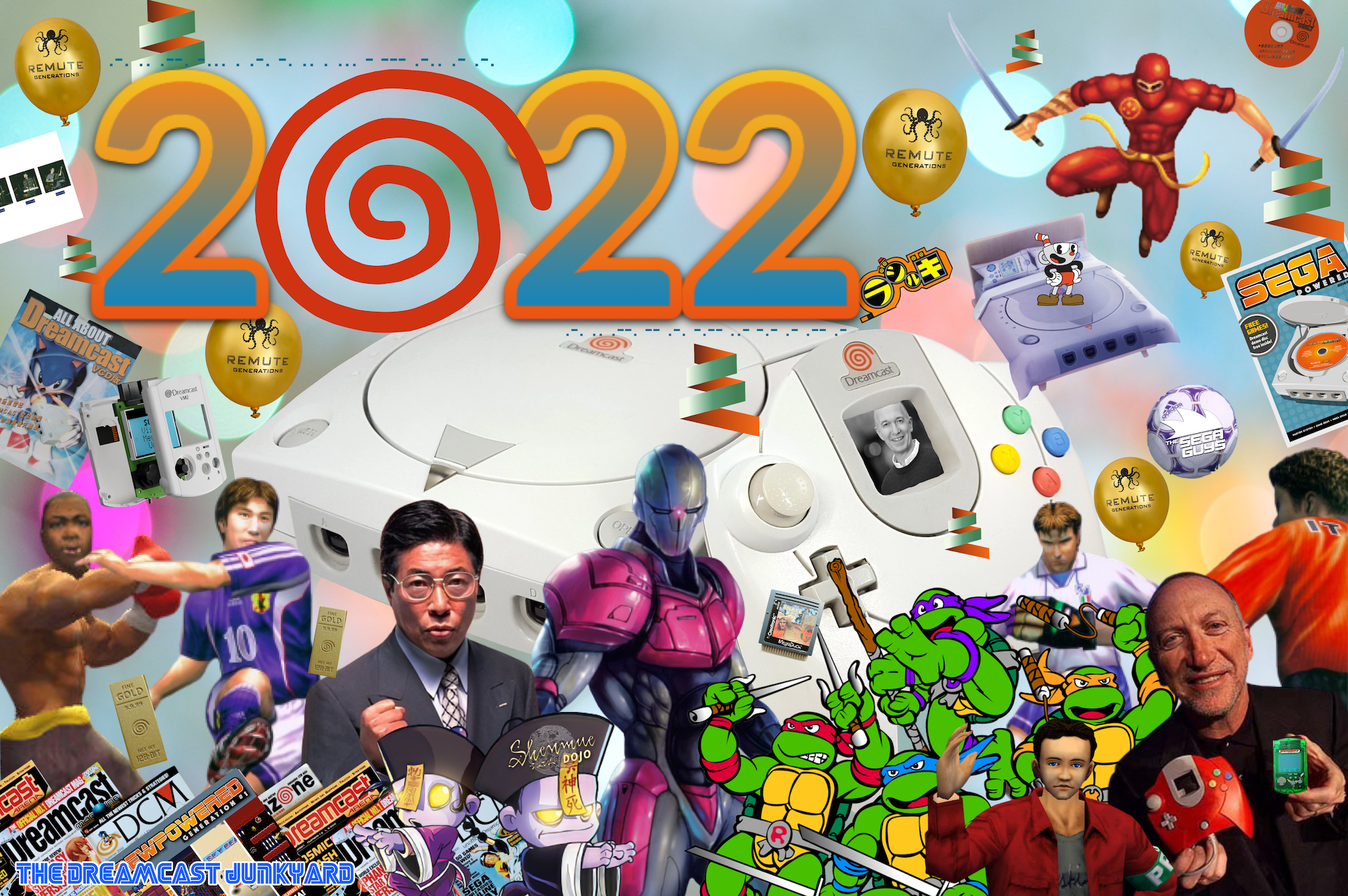
Well, another whole year has come and gone, and we're all a little older and a little wiser. All a little bit more wrinkly and decrepit. All a bit more wizened and broken. All a bit more...I think you get the idea. Anyway, as has become something of a custom here at The Dreamcast Junkyard, we thought it would be totally radical (dude) to round up the majority of the content we've posted here over the last 12 months; so you don't have to navigate the archive using that unweildy little sidebar thing.

Huge thanks must go to all the people who have continued to create content that we report on, and of course to those who have agreed to guest on our podcast. Thanks also to the team members who write the features, the news posts and the reviews; and of course thank you to you - our readers - who continue to visit the Junkyard year in, year out.

For your reading pleasure, presented below in a digestable list are some highlights from 2022. Not everything we've published is included, but if you're reading this on the desktop version of the blog you'll find the aforementioned unweildy little sidebar archive just down there on the right, from which you can find everything from not just 2022, but from the last 18 years of The Dreamcast Junkyard...

Shadow Gangs

Reviews

  • Ghoul Grind: Night of the Necromancer - Mike cast a critical eye over Woog Worx's interesting retro-styled, auto-scrolling, Halloween-themed platform adventure, and was particularly impressed with just how well executed the whole affair was.
  • Postal - Lozz suited up and dove in to Dan Redfield and WAVE Game Studios' Dreamcast fantastic release of Running With Scissors' blood-soaked 90s shooter, and was pretty impressed with what he saw. Twin Stick controls and complete DLC included on the disc were particular highlights.
Yeah Yeah Beebiss II
  • Yeah Yeah Beebiss II - In 2022 the Dreamcast played host to a port of a sequel to a game that never actually existed. That port was the simple yet enjoyable Yeah Yeah Beebiss II and Tom found that while the game was quite basic in design, it was also quite a fun little title.
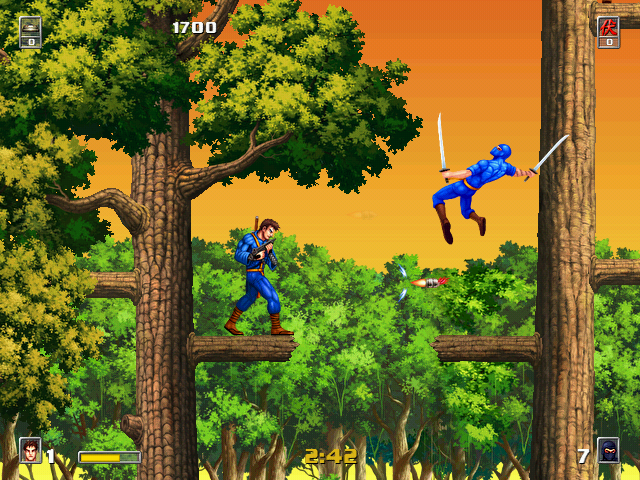
  • Shadow Gangs - Showcasing just how diverse the range of new Dreamcast releases were in 2022, Lozz took a look at the visually impressive side scrolling brawler Shadow Gangs. While the aesthetics were a highlight, the game's difficulty level was seen as a slight negative.

Virtua Sriker 2 ver 2000.1

Retrospectives

  • Virtua Striker 2 - When is a football game not a football game? When it's Virtua Striker 2 of course! Tom took to the pitch in Sega's arcade football fest to see if Virtua Striker 2 holds up.
  • The Flashback series on Dreamcast - The Dreamcast has now recieved officially sanctioned ports of both Flashback and sequel Fade to Black. We joined Conrad B. Hart to see how well these ports fared on the Dreamcast.
  • Nettou Golf - Kev switched off Giant Killers, donned his most hideous golfing attire and interrupted a good walk when he investigated Nettou Golf, an NTSC-J title which he found to be surprisingly good fun.
Maximum Speed
  • 90 Minutes: Sega Championship Football - 90 Minutes represents one of the most turgid footballing experiences one can find on Dreamcast; however the NTSC-J version (titled J.League Spectacle Soccer) is one of the very best to grace a GD-ROM drive. How so? Find out in Tom's retrospective!
  • Maximum Speed - The Atomiswave played host to a number of interesting games that were never ported to other platforms, and Maximum Speed is one such title. A sort of Daytona-lite that features stock and open wheel vehicles, and some of the most annoying sound effects you're ever likely to hear.

Flyer for Premier Eleven

Features and News

  • The Hunt for Premier Eleven - Premier Eleven is often seen as the greatest football game the Dreamcast never got. By 'often,' we mean 'by us.' This elusive Atomiswave title does exist in very limited numbers out in the wild, but so far it remains undumped. Join us on this most whirlwindy of investigations.
  • Brave Little Abacus - Lewis went down the rabbit hole of discovering why this celebrated band used a Dreamcast during their live shows, and even managed to bag an interview with Brave Little Abacus frontman Adam Demirjian, who explained the reasoning behind it, as well as his general admiration for the console.
  • Dreamcast translation projects - The Dreamcast English translation scene appears to be going from strength to strength, and so our resident translations specialist Lewis brought us news on projects involving such NTSC-J titles as Radirgy, Chaos Field, Panzer Front, Puyo Puyo~n, Cool Cool Toon and RUN=DIM as Black Soul.

RUN=DIM as Black Soul

  • The Dreamcast indie scene enters a 'Golden Age' - Lozz took a deep dive into the indie scene on the Dreamcast, as more and more games are released and new publishers enter the Dreamarena (sorry).
  • Where are they now? - ODM's '100+ New Games' - The Official UK Dreamcast Magazine famously printed a '100+ New Games' feature in the July 2000 issue, and so Andrew decided to delve into the history books to find out what happened to them all. Did all of these games materialise...or was it all just pie in the sky?
  • VM2 'next-gen VMU' from Chris Daioglou - Serial Dreamcast peripheral upgrader Chris Daioglou returned in 2022 with a vision for a next-gen VMU. Titled VM2, the project was launched on Indiegogo and smashed its funding goal. Read about it here.

RIP Mr Yukawa

  • A farewell to Hidekazu Yukawa - News of former SEGA Japan Managing Director Hidekazu Yukawa's passing was reported in June 2022, after the great man died in June 2021 aged 78. Here, Lewis respectfully paid tribute to his legacy, and detailed every time Mr Yukawa appeared in a Dreamcast game. Rest in peace Mr Yukawa, gone but not forgotten.
  • Gauntlet Giveaway! - Midway's Gauntlet Legends offered a pretty sweet deal to anyone who bought the game - send in proof of purchase and receive a set of pewter miniatures based on characters from the game. Through a series of bizarre events, Tom ended up with a set of these miniatures and here's what he thought of them.
  • The 'All About Dreamcast' VCD - Lozz managed to bag himself a copy of a Chinese-language VCD sold in Hong Kong and Taiwan titled 'All About Dreamcast,' and being the dutiful digital preservationist that he is, then went and ripped it and uploaded the contents to YouTube.

SEGA Spud Dive

  • Is video of the Sega Spud Dive lost media? - The Sega Spud Dive was a publicity stunt that involved people swimming through vats of mashed potatoes to win Dreamcast related prizes, and we've covered it several times here. However, there doesn't appear to be any video of the events...which is odd considering the numerous film crews in attendance.
  • Remute Generations - A music CD with exclusive Dreamcast functionality and visuals created by Duranik? Yes please! Here, Tom took a look (and a listen) to Remute's latest release - Generations.
  • Title Defense: Dreamcast's lost boxing sim - Title Defense was intended to be a more simulation-based alternative to Ready 2 Rumble, but sadly it was never released. That didn't stop the game being featured quite regularly in magazines of the era. Tom took a look at what could have been, had Climax not shelved this intriguing title before it could muster a defense. See what I did there?

[lock-on] Volume 003

  • [lock-on] Volume 003 Dreamcast special - [lock-on] Volume 003 offered a veritable smorgasbord of Dreamcast content, some of which was created by the very people who write the guff on this blog. Once the disclosure was out of the way, Tom took a look between the pages and offered a wholly unbiased opinion.
  • Dee Dee Planet playable online - Dee Dee Planet was a pseudo sequel to ChuChu Rocket! that would offer online gaming to Dreamcast owners. Sadly, it was never released. That was until the Dreamcast community got hold of it, released it and added online functionality in 2022. Most impressive.
  • Dreamcast Mini: Hopes and Prospects - The promise of a 'Dreamcast Mini' has been doing the rounds online for years, but how would it work, really? Would Sega even be able to turn a profit from such an expensive endevour? Lozz threw caution to the wind and offered his thoughts.

RIP Bernie Stolar

  • Show Report: Nottingham Video Games Expo - The Junkyard Crew took a rare trip out into the real world to take part in NottsVGE, where we met some industry legends, drank some beer, played some games and generally had a thoroughly nice time.
  • TMNT: The Cowabunga Collection lands on Dreamcast - Dreamcast coding legend Ian Micheal decided that he wasn't overly impressed with Konami's decision to skip the Dreamcast when it came ot releasing TNMT: The Cowabunga Collection. So he went ahead and created his own version...which is arguably better than Konami's. So there.
  • Bernie Stolar sadly passes away - The late Bernie Stolar is credited as being the father of the Dreamcast, and it was with great sadness that we learned of his passing in June 2022, aged 75. In this rather sombre news update, we paid our respects to the gaming industry giant. Rest in peace Bernie Stolar, who will forever be remembered as the force behind the creation of the Dreamcast.

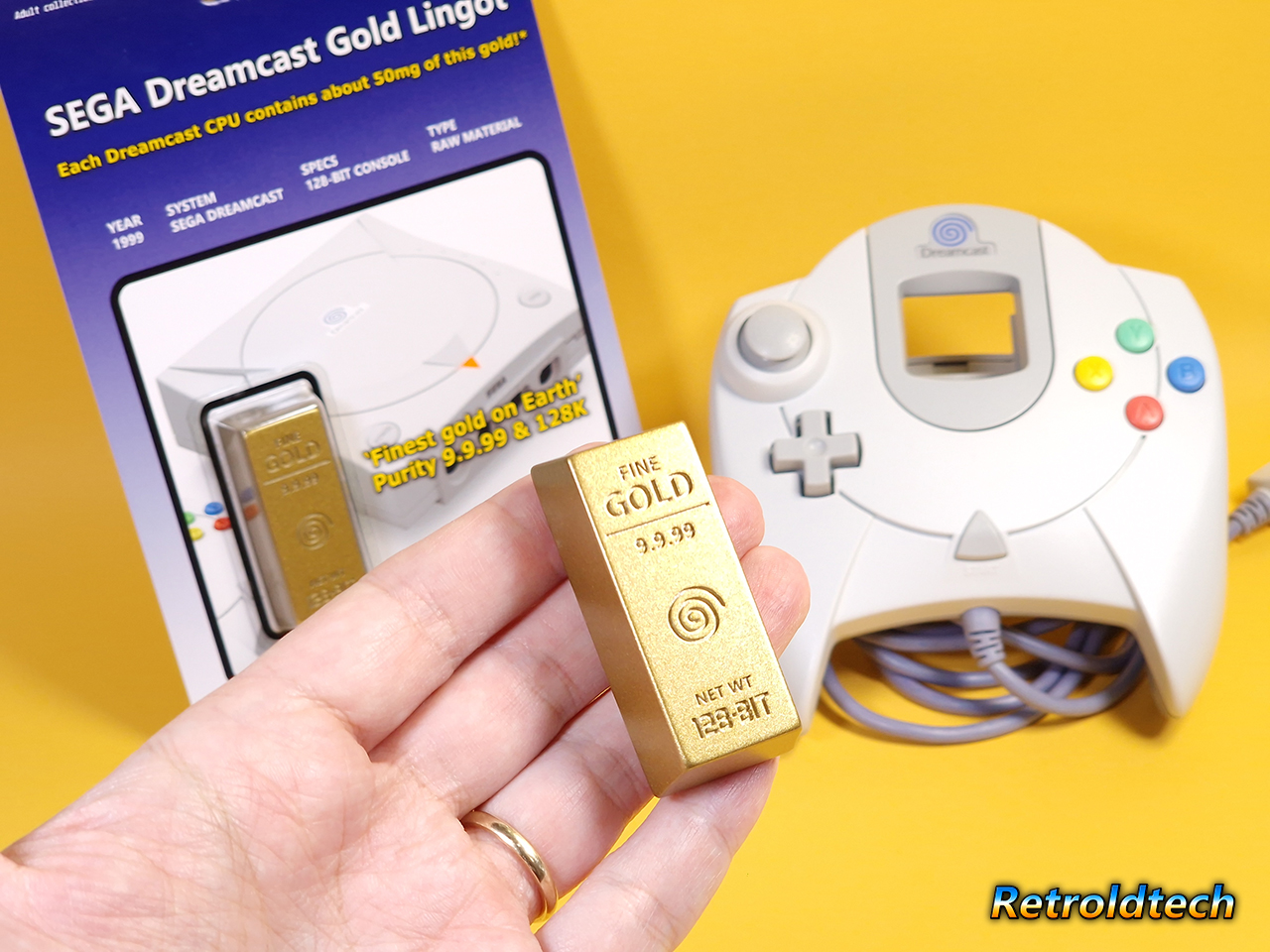
Dreamcast Gold Ingot from RetrOldTech

  • There's gold in them there Dreamcasts! -  Lewis took a look at the tongue-in-cheek offering of a gold bar made from reclaimed precious metals out of Dreamcast consoles. Clearly a prank novelty item from RetrOldTech, but one we couldn't help but applaud for its downright weirdness.
  • Dashy no Blast demo released - Talented indie developer Voxel surprised us all with the release of playable Halloween-themed demo Dashy no Blast in October 2022. Playing like a better version of Cannon Spike, this promising demo hit all the right notes.
  • Cuphead on the Dreamcast?! - Developer Aionmagan created this rather nifty proof of concept Cuphead demo for the Dreamcast back in June. While it is very limited in scope (it's basically one screen), it proved that the Dreamcast could cope with Studio MDHR's amazing animations, if nothing else.

Dreamcast magazines for preservation

  • Dreamcast Magazines: Appreciation and Preservation - Lozz presented this rather well researched appeal for Dreamcast magazine preservation, taking a look at the various periodicals that catered for the platform and asking for Dreamcast owners to plunder their attics and cupboards for missing issues.
  • RetroAchievements adds Dreamcast support - Ross popped up after a lengthy hiatus to report on RetroAchievements adding Dreamcast games to its database of supported titles. For those uninitiated, RetroAchievements basically adds trophies to games from all manner of classic systems, so having Dreamcast added was a pretty big deal.
  • Using AI art to create Dreamcast images from hell - On a particularly boring day back in May, Tom decided to see what would happen if he prompted an AI image generator with terms like 'Dreamcast' and 'Jet Set Radio.' This article was the result. You're welcome.

Sonic Adventure
  • Sonic Adventureland: A Roller Coaster of Love - Brian bought a ticket and took a ride through Sonic Adventure's numerous roller coaster themed Action Stages, reminiscing about some of the real life theme parks he'd also visited along the way.
  • SEGA Powered issue 5 - Issue 5 of SEGA Powered magazine was fairly heavy on the  Dreamcast content, and naturally we thought it would be nice to have a flick through its pages here at the Junkyard.
  • Hermes: Limited Edition - Lewis finally managed to snag a copy of the excellent indie title Hermes, and it was a copy of the rather nice limited edition which came bundled with a special Hermes-branded VMU.
  • Spring News Round-up - A lot of Dreamcast news happened during the month of April, and Lewis was on hand to document the creation of a Dreamcast bedding set, the release of a Mega Duck emulator and a bunch of new indie games.

Interviews

  • Driving Strikers - Jaz tracked down and chatted with Luke 'Kazade' Benstead to discuss the concept behind the upcoming online-enabled Rocket League style title for Dreamcast, Driving Strikers.
  • Video Game History Foundation - wasn't really sure where to put this one so I settled on including it here. Tom and Brian joined Frank Cifaldi and Kelsey Lewin from the Video Game History Foundation's History Hour podcast to discuss the US and European launches of the Dreamcast, and also the history of this very blog.

DreamPod episodes

If you're a regular listener to our podcast, then you'll know that we occasionally have special guests on the show to discuss their own history with the Dreamcast. Below are some of the highlights from the past year, however all of our regular 'news' episodes can also be found at Buzzsprout here.

  • In DreamPod 103, we welcomed writer, producer and director Jörg Tittel, who previously wrote for the Official US Dreamcast Magazine. In this wide ranging chat, Jorg discussed how he got involved in writing for the magazine, and how his friendship with the late Shinya Nishigaki resulted in a cameo appearance in Illbleed.
  • DreamPod 106 saw us welcome WAVE Game Studios' Daniel Crocker and SEGA Powered editor Dean Mortlock. In this episode we chatted about how WAVE Game Studios was formed and how they have taken the Dreamcast scene by storm; and we also discussed Dean's history in magazine publishing, from his time at SEGA Power through to his latest venture SEGA Powered.
  • Shenmue Dojo were our honoured guests on DreamPod 108, with James Brown and Matt Oliver joining us to discuss all things Shenmue. From the origins of Shenmue Dojo, to the release of Shenmue World, thoughts on the cancellation of the Shenmue animated series, and even a Shenmue quiz, if you're a fan of Yu Suzuki's magnum opus, this episode will be right up your street.
  • DreamPod 109 was tinged with both sadness and joy, as while it was a characteristically enjoyable romp through the year 2002 with the team from Dreamcast Years, it also marked the very last episode of the DCY Podcast (well, unless you backed the physical minidisc release of the actual final, final episode as part of the Dreamcast: Year Two book).
  • Our guests for DreamPod 111 were Dan 'The Mega' Driver and James 'The Segaholic' McGhie, who together are known as The SEGAGuys. In this episode, we chatted about Dan and James' entry into the world of Sega, their own podcast and YouTube channel, hypothetical Dreamcast sequels and of course there was a Sega-themed quiz.
  • In DreamPod 112 we were lucky enough to be joined by former SEGA Europe marketing director Giles Thomas, who spoke to us about how he was handed the task of launching the Dreamcast in Europe. From his time at MTV and VH1 music channels to joining Sega and overseeing the marketing campaign across the continent, Giles offered us a goldmine of interesting tales from the early days of the Dreamcast. 

"Cupcake anyone?"

Videos

  • Giant Killers series - I felt it was only right to include this here simply due to the sheer amount of love Kev (pictured above, replete with his stash of cupcakes) has poured into this series. Yes, if you find yourself yearning to watch a middle-aged man from Northamptonshire play through season after arduous season of Dreamcast football management sim Giant Killers, then you are in for a treat. Head over to our YouTube channel and feast your eyes and ears on Kev's superlative series. Don't bother looking at any of the other recent stuff as it's pretty much all embedded in the articles featured above. I just wanted to give Kev some recognition for this labour of love. And mention his cupcakes again.

What's next?

Naturally, we can't predict the future. However what we can do is commit to continuing the same level of slightly obsessive coverage of any and all noteworthy Dreamcast related news happenings, and a steady stream of new podcast episodes, news, reviews and features over the next 12 months. Everything we produce here is done purely for a love of the topic, none of us do this as a regular job - we are simply a rag tag band of  hobbyists (if that's the right term). If you'd like to support us though, you can do so by visiting our 'Buy me a Coffee' page here.

You can also continue to follow us on Twitter, join our Facebook group, join our Discord, subscribe on YouTube or simply leave us a nice (or horrible) review over on Apple Podcasts (or wherever you may get your podcasts). It all helps and is hugely appreciated. Here's to another great year of Dreamcast related goodness.